
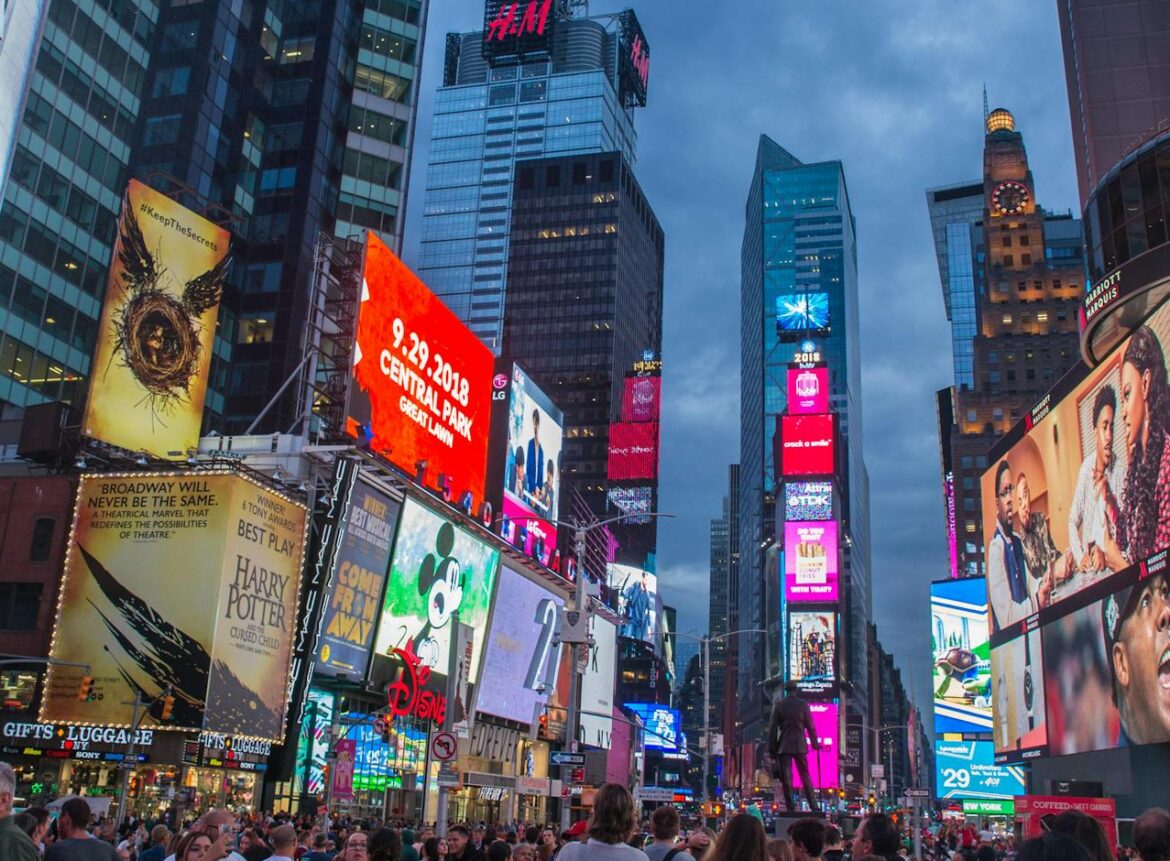
In today’s hyper-connected world, digital marketing dominates the conversation. From social media ads to search engine optimization, businesses are investing heavily in reaching consumers online. But while everyone is focused on pixels and algorithms, one powerful and often underestimated channel still towers over highways and city streets: outdoor billboards.
At first glance, billboard advertising might seem old-school compared to digital tactics. But in reality, outdoor billboards and digital marketing are not rivals — they’re allies. When used strategically, billboards can enhance digital campaigns in ways that are cost-effective, measurable, and incredibly impactful.
Let’s explore how outdoor billboards work hand-in-hand with digital marketing strategies to amplify reach, drive engagement, and create memorable brand experiences.
1. Boosting Brand Awareness in the Real World
No matter how good your digital ad is, it’s competing in a cluttered space — notifications, pop-ups, and social feeds are jammed with content. Outdoor billboards offer a different experience: they live in the real world, where people drive, walk, and commute. This physical presence makes billboard messages unskippable, unblockable, and ever-present.
When paired with digital campaigns, billboards act like a brand amplifier. For example, if a customer sees a product on a social media ad and then notices it on a large-format billboard later that day, it reinforces the message and builds familiarity. In marketing, repetition is key to recall — and billboards help anchor digital messages in the physical world.
2. Driving Online Engagement Through Offline Channels
A modern billboard isn’t just a passive display. It’s a call to action — and when designed with digital integration in mind, it becomes a bridge between the offline and online worlds.
Smart marketers use outdoor billboards to:
-
Direct users to a landing page or website
-
Promote social media handles or hashtags
-
Encourage app downloads with QR codes
-
Launch contests or exclusive offers
For instance, a billboard promoting a concert might include a short, memorable URL like “BandNameLive.com” or a QR code leading directly to ticket sales. This seamless connection from billboard to screen helps track engagement and creates a measurable impact from what might seem like an “offline” ad.
3. Hyper-Targeting by Location
Digital marketing platforms like Facebook and Google are known for their targeting capabilities. But outdoor billboards can also be highly strategic when it comes to location-based targeting.
By choosing billboard placements near:
-
Retail locations
-
Event venues
-
Transit stations
-
College campuses
-
Specific neighborhoods
…marketers can serve up geographically relevant messages to local audiences. This location-first strategy mirrors the way we geo-target digital ads — but with real-world reinforcement.
Pairing a local digital ad campaign (say, on Waze or Spotify) with a nearby billboard ensures your message is not only repeated but also contextualized in the user’s environment.
4. Creating Unified, Omni-Channel Campaigns
Modern marketing is all about creating a consistent brand experience across channels — whether someone sees your brand on Instagram, in a YouTube ad, on a blog, or on the street.
When billboard visuals align with your digital creative, you build a stronger, more cohesive message. That might mean:
-
Using the same headline or tagline across platforms
-
Featuring the same product image in both digital and billboard formats
-
Syncing billboard content with online campaign dates
This kind of alignment strengthens brand recall and allows customers to move seamlessly between media types — from a real-world encounter to an online interaction.
5. Extending the Life of Digital Content
Many businesses spend time and money creating beautiful visuals and punchy headlines for digital ads, only to see them vanish in a sea of social scrolls. By adapting digital content for billboards, you can extend its reach and lifespan.
Billboards are often displayed for weeks at a time — much longer than the average digital ad. Repurposing your best-performing social posts, video stills, or campaign graphics into a billboard design not only saves resources but also gets more mileage from your creative investment.
6. Generating Social Proof and Virality
Billboards can also fuel digital virality — especially when the content is clever, controversial, or crowd-pleasing. A witty or bold billboard can quickly become a photo-op, especially in high-traffic areas. People post pictures of it, share it on Instagram, or tweet about it — suddenly, your “offline” ad is driving free digital exposure.
Consider campaigns like:
-
“Spotify Wrapped” billboards highlighting quirky listener stats
-
Local businesses thanking their communities in heartfelt messages
-
Brands playfully clapping back at competitors
These real-world billboards often spark conversations online, turning impressions into engagement.
7. Measuring Billboard Impact in the Digital Era
One common critique of billboard advertising is that it’s hard to measure. But thanks to mobile data and location-based analytics, that’s no longer the case.
Advertisers can now track:
-
Foot traffic lift: Did store visits increase after the billboard went up?
-
Web traffic spikes: Are users Googling the brand or visiting the site more?
-
Search volume and social mentions: Is there an uptick in brand chatter?
-
Conversion rates from unique URLs or QR codes
These metrics allow advertisers to correlate billboard exposure with digital engagement, helping justify the spend and optimize for future campaigns.
Final Thoughts
Billboard advertising isn’t a relic — it’s a high-impact, brand-building tool that, when paired with digital marketing, becomes more powerful than either channel alone. In a landscape where attention is fragmented and brand trust is hard to earn, outdoor billboards add a real-world anchor that supports and elevates your online presence.
So the next time you’re planning a digital campaign, think bigger — literally. That massive screen on the side of the highway might be the missing piece in your omnichannel strategy.